Moisture damage and cargo risk in container shipping

Talk to a local moisture control expert

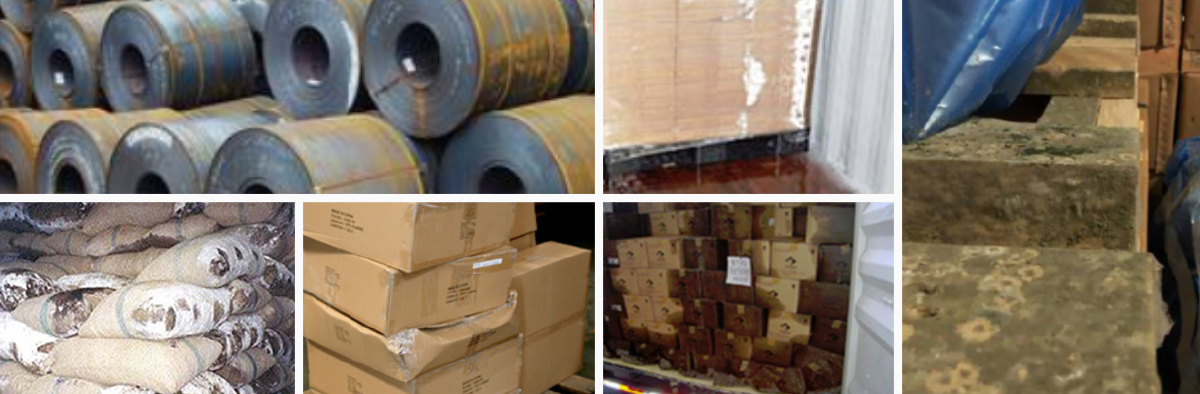
Moisture damage is one of the most common causes of cargo loss in container transport. Humidity in containers, container rain, and trapped moisture can cause corrosion, mold, caking, packaging failure, and rejected shipments. These issues often appear only at destination, when costs and consequences are highest.

Desiccants play a critical role in preventing moisture damage, but only when they are correctly selected and applied.

Not all shipments face the same moisture risk

Cargo moisture risk depends on many factors, including:

  • Cargo type and packaging
  • Route length and climate exposure
  • Seasonality and transit time
  • Container conditions and loading practices
  • Cargo value and risk tolerance

Applying the same desiccants to every shipment often leads to the wrong outcome – either under‑protecting high‑risk cargo or overspending on low‑risk shipments.

Why “one‑size‑fits‑all” desiccants fail

Many moisture damage problems occur because desiccants are selected using general assumptions rather than real shipment conditions.

This can result in:

  • Inadequate moisture protection
  • Unnecessary desiccant cost
  • Inconsistent application across sites
  • Difficulty justifying decisions to operations or procurement teams

The challenge is not whether to use desiccants, it’s knowing which desiccants are appropriate, and in what quantity, for each shipment.

damaged-cargo.jpg

The Cordstrap Moisture Control approach

Cordstrap Moisture Control is designed around an engineered, consultative approach to moisture risk. Some shipments require a higher level of assurance against moisture damage. Others need a more cost‑controlled approach. The Cordstrap Moisture Control range is built to support different cargo types, journey lengths, and risk levels.

We work with shippers to:

  • Diagnose moisture exposure and cargo risk
  • Align protection levels with journey profile and cost sensitivity
  • Apply desiccants consistently and appropriately
  • Reduce reliance on assumptions and trial‑and‑error

Talk to a local moisture control expert

Every shipment is different.

Speak with your local Cordstrap expert to assess moisture risk and determine the most appropriate desiccant approach for your shipping operations.

Book an appointment

Frequently asked questions about desiccants and moisture damage

Why do containers suffer from moisture damage?

Moisture damage is caused by humidity changes, condensation, container rain, and moisture trapped in cargo or packaging during transit.

Download Infographic


Do all shipments need the same desiccants?

No. Desiccant requirements vary by route, climate, cargo value, and duration. Using the same desiccants for every shipment often leads to poor results.

Download Infographic


Is more desiccant always better?

Not necessarily. Over‑using desiccants can increase cost without improving protection. The right amount depends on the specific moisture risk.


How do I know what desiccant solution is right for my cargo?

The correct approach starts with understanding shipment conditions. An experienced partner can help diagnose risk and recommend the appropriate desiccant options based on your needs. Unlike other suppliers, Cordstrap will assess the right need for your specific shipments.


Can desiccants help reduce cargo claims and losses?

When correctly selected and applied, desiccants can significantly reduce moisture‑related damage, rework, and claims.

Download Infographic


Why work with Cordstrap for desiccants instead of other suppliers?

Because effective moisture control is about more than buying desiccants. Cordstrap works as a cargo protection partner, helping shippers understand moisture risk, select the appropriate level of protection, and apply desiccants consistently across operations.


How is Cordstrap’s approach different from traditional desiccant suppliers?

Many suppliers focus on selling units per container. Cordstrap supports decisions with tools, expertise, and application guidance - helping customers avoid both under‑protection and unnecessary overspend.

For expert advice on cargo securing solutions contact us now

Contact now