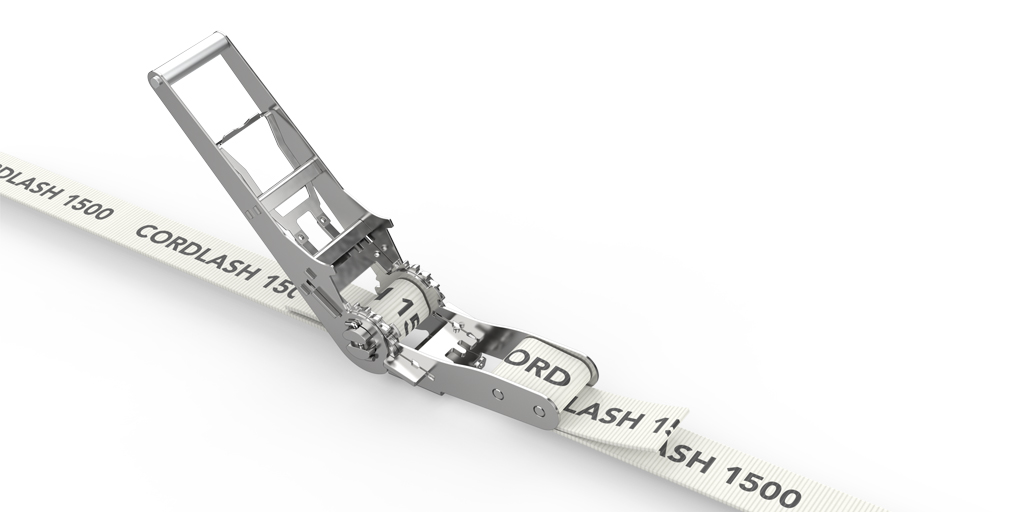
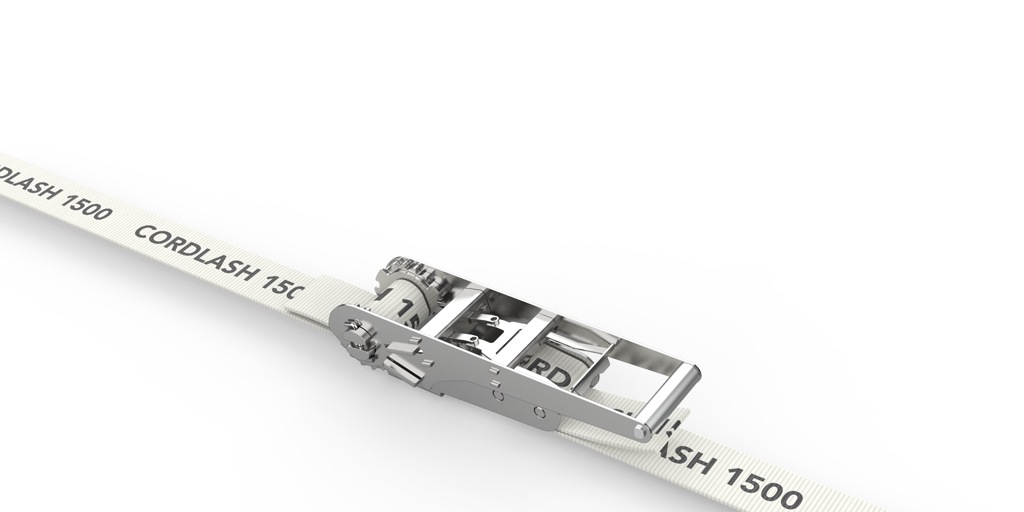
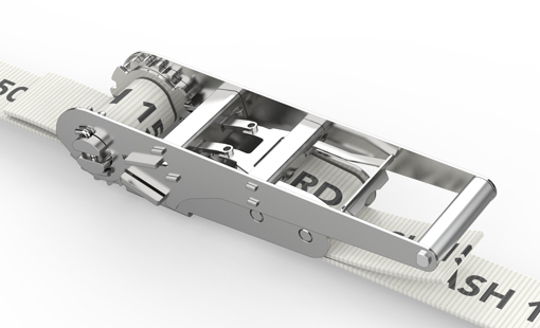
Re-tensionable Lashing Solution (RLS)

Empowering full control of cargo tension and securing performance, from loading to destination

Securing heavy and breakbulk cargo is complex and challenging. Loads are irregular, access is limited, and securing is often done under time and operational pressure. Applying the right level of tension is already variable. Maintaining that tension once cargo is in transit, under vibration, settling, and movement, is even harder to control.

The Cordstrap Re‑tensionable Lashing Solution (RLS) gives you practical, repeatable control over tension – from loading through to destination.

  • Delivers high and consistent tension from the start
  • Maintains and restores tension reliably throughout the journey
  • Reduces operational complexity, time, and labor
  • Improves safety and handling from loading through to the destination
Request a Demo

The challenges with traditional securing

Securing breakbulk and heavy cargo is complex and challenging:

  • Limited time and crew
  • Difficult access to lashing points
  • Heavy or irregular cargo
  • Manual tools and physical effort

But the constraints don’t stop there, they are built into the systems being used.

Steel Chains and Wire Rope

  • Heavy and difficult to handle – often requires multiple operators
  • Time-consuming to install, tension and adjust
  • Limited flexibility – fixed lengths or need to join sections
  • High physical effort – fatigue and safety risk
  • Risk of cargo damage (rust, abrasion, contamination)

10-Ton Ratchet Straps

  • Limited achievable pre‑tension for heavy or demanding loads
  • Tension depends on operator strength and technique
  • Re‑tensioning is possible – but often impractical under real conditions (access constraints, time pressure, working at height)
  • Fixed lengths – not always suited to load configuration
  • Results vary between operators and shipments

Engineered to deliver control from loading to destination

The Cordstrap Re-tensionable Lashing Solution is designed to make tension control practical, repeatable, and consistent.

  • Tool-controlled pre‑tension: Same result, regardless of operator
  • Built-in re‑tensioning capability: Adjust quickly when conditions change
  • System-based approach: Less reliance on manual effort and judgement

This shifts securing from variable execution to controlled performance – from loading to destination.

Find out more about the Re-tensionable Lashing Solution options

RLS50 – Versatile, everyday performance

Explore RLS50

RLS60 – Maximum strength & demanding conditions

Explore RLS60

How the RLS delivers value to your operations

Consistent tension control throughout the journey

  • Re-tension at any time during transit
  • Maintains securing force under vibration, settlement, and weather conditions
  • Dynablock® absorbs dynamic forces without tension loss

Higher securing performance from the start

  • Achieves higher, tool-controlled pre-tension vs traditional methods
  • Reduces risk of cargo shifting and damage
  • Re-tension at any time

Improved operational efficiency

  • Lightweight system → faster, easier handling
  • Requires fewer operators than chains or wire rope
  • Endless lashing length → cut to fit, no waste or fixed-size limits
  • Simplifies loading and unloading processes

Safer working environment

  • Eliminates handling of heavy steel chains and components
  • Reduces physical strain, fatigue, and injury risk
  • No rust, abrasion, or contamination to cargo

Consistent, controlled results

  • Tool-assisted tensioning ensures repeatable outcomes
  • Less reliance on operator judgement
  • Reduces rework, cargo claims, and inspection issues

Take control of your securing performance

Move from variable tension and manual adjustment to consistent, controlled securing.

Book a Demo

FAQs

Can traditional systems be re‑tensioned?

Sometimes, it depends on the solution. However, in many operations it is time-consuming, difficult to access, and inconsistently applied, especially once cargo is in transit.

How does RLS compare to chains and wire rope?

RLS is lighter, faster to apply, and eliminates the risk of rust, abrasion, or cargo contamination. It also achieves higher pre-tension than traditional methods with tool-controlled consistency, reducing reliance on operator judgement.

Is the applied tension more consistent?

Yes. Tool-assisted tensioning delivers repeatable, controlled results, reducing operator variability.

Where is RLS typically used?

  • Heavy or high-value cargo
  • Complex or irregular loads
  • Operations where consistency and control are critical

Is the RLS compliant?

Yes. It is DNV Verified. Meets CTU Code, EN 12195-2 and AAR Grade. Full documentation - including certificates and cargo securing plans - is available for vessel authorities, marine surveyors, and insurance surveyors on request.

What industries and cargo types is the RLS best suited for?

The RLS is designed for breakbulk and heavy cargo – particularly steel pipes, manufactured goods, and project cargo. It eliminates the rust and contamination risk of chains, provides higher pre-tension, and is fully certified.

How does the Dynablock® work?

The patented buckle absorbs dynamic shock forces during transit without losing securing tension – unlike standard buckles that slip or snap. This means cargo stays secured even under vibration, settlement, and weather conditions.

How can I test the RLS?

Book a demo. You can request one here or contact your Account Manager to book one.

For expert advice on cargo securing solutions contact us now

Contact now